
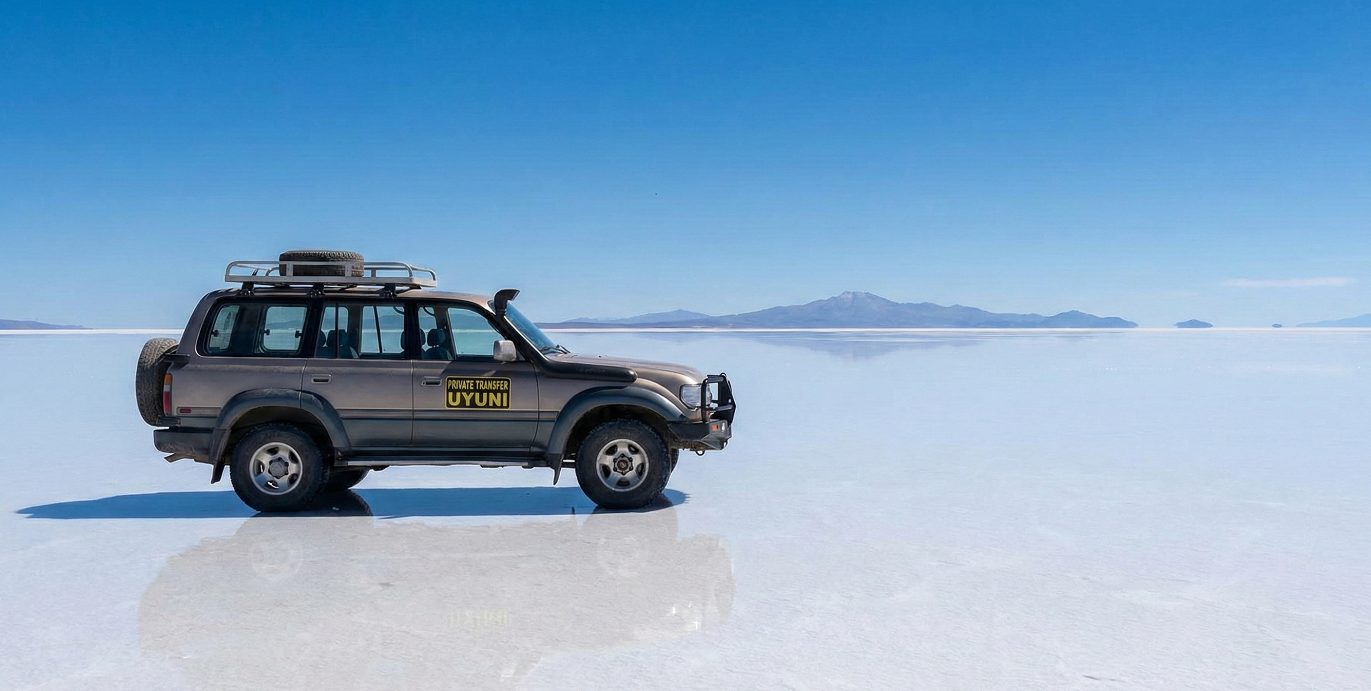
How to Get from Uyuni to Potosi and Sucre: The Complete Transport Guide
You just finished one of the wildest trips of your life. For three or four days, you’ve been bouncing around the alien landscape of the Salar de Uyuni. You’ve frozen your toes off at night, blinded yourself looking at the white horizon, and stared at flamingos until they started looking normal. It changes you. But let’s be honest: it also completely wrecks you.
So now you’re standing in Uyuni. It’s dusty. It’s windy. And you have a problem: Where do I go now, and how do I get there without losing my mind?
Unless you’re crossing into Chile, the only logical move is heading northeast. You go through the mining beast that is Potosí, and then you drop down into the eternal spring weather of Sucre. It’s not just a logistics thing. It’s a survival thing. You are escaping the harsh, dry Altiplano for the lush, colonial heart of the country.
But the road out of Uyuni isn’t exactly a smooth highway cruise. Transport in Bolivia is… an adventure. It’s unpredictable. It’s gritty. And if you aren’t ready for it, it’s uncomfortable as hell. This guide breaks down the route, the brutal reality of public buses versus private cars, and why turning this travel day into a sightseeing trip is the smartest play you can make.
The Route: A Geographical Overview
To get the transfer, you have to get the geography. Right now, you are on the Altiplano. You’re at 3,700 meters (12,100 feet). Your lungs are working overtime. Sucre? Sucre sits at a lovely 2,810 meters (9,200 feet). Going there is literally a breath of fresh air.
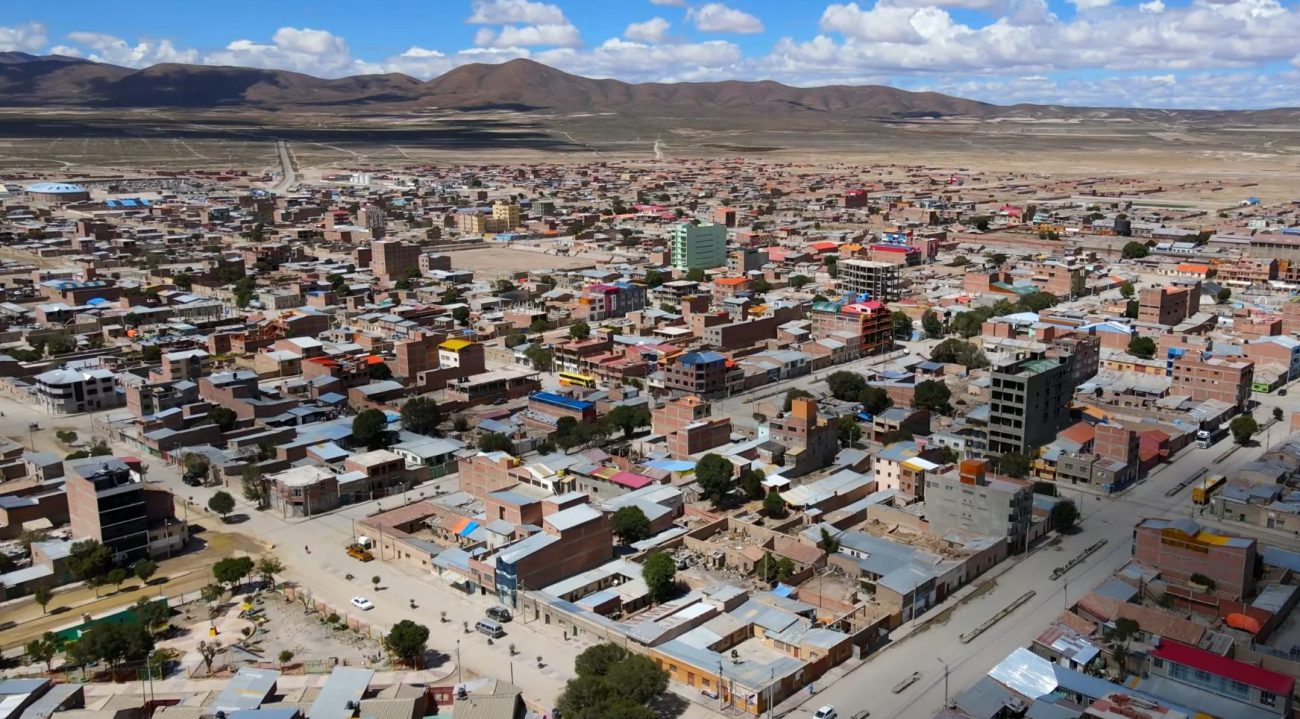
The drive is about 360 kilometers (223 miles). Doesn’t sound like much. In the US or Europe, that’s a quick morning drive. Here? With the winding Andean roads, the altitude shifts, and the traffic, it’s a full day.
Leg 1: Uyuni to Potosí (The High Road)
- Distance: ~200 km (124 miles) Link to Google Maps
- Drive Time: 3.5 to 4 hours
- Elevation Profile: You start at 3,700m, climb up over 4,200m, then settle at 4,060m in Potosí.
This part is paved. It’s stark. It’s dramatic. You are driving through the roof of the Andes. You’ll probably spot herds of wild vicuñas—those skinny, expensive-looking cousins of the llama—chewing on roadside grass. The mountains are stained red and purple from all the minerals. It’s bleak, but beautiful.
Leg 2: Potosí to Sucre (The Descent)
- Distance: ~155 km (96 miles) Link to Google Maps
- Drive Time: 2.5 to 3 hours
- Elevation Profile: The big drop. 4,060m down to 2,800m.
This is where your headache goes away. The scenery flips. You leave the barren brown rocks and start seeing green. Valleys. Actual trees. The air gets thicker, the temperature climbs, and the architecture shifts from mud huts to colonial haciendas with those nice red tile roofs.
The Hidden Gem: Pulacayo Mining Town
Here is the main reason to skip the bus. You can stop. And right on the road between Uyuni and Potosí, there is a place that 99% of tourists blow right past: Pulacayo.
It’s like 20 minutes outside Uyuni. Today, it’s basically a ghost town. But back in the day? This was the economic engine of Bolivia. Home to the Huanchaca mine. One of the richest silver veins on the planet.
Why you should care:
- The Better Train Graveyard: Everyone goes to the “Train Cemetery” in Uyuni. It’s crowded and covered in graffiti. Pulacayo has the actual steam locomotives that hauled the silver to the coast. They are preserved. They look real.
- Butch Cassidy vibes: This place is straight out of a western. The trains here were targeted by bandits. You can literally see bullet holes in the dining carriage of one of the trains—leftovers from a heist a hundred years ago.
- Industrial Ruins: You can wander through the abandoned administration buildings, check out the mansion of the mining baron Simón I. Patiño, and see the first steam engine Bolivia ever imported.
The Kicker: Public buses don’t stop here. They fly by. On a private transfer, we give you 45 minutes to poke around this history.
Public Bus vs. Private Transfer: The Honest Truth
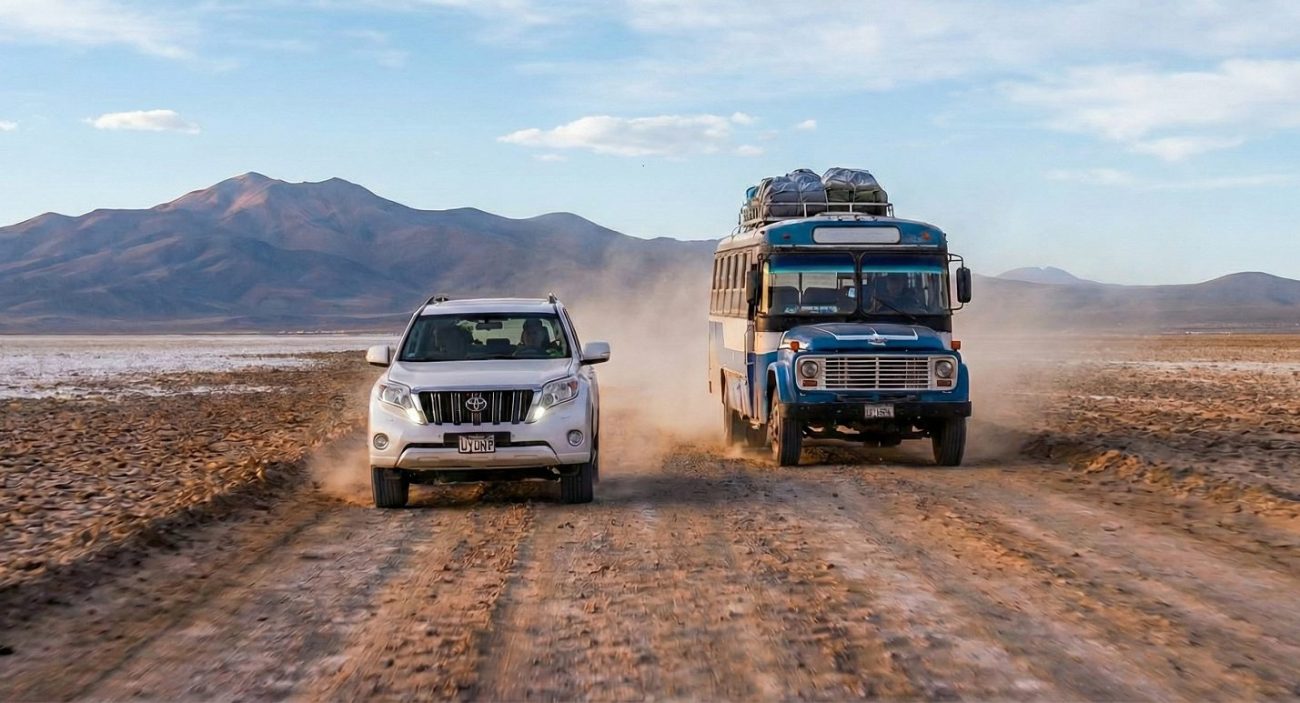
I’m not going to lie to you. Taking a public bus in Bolivia is a rite of passage. It’s cheap. It’s “authentic.” But after a multi-day tour where you haven’t showered properly and you’re tired, your priorities shift. You stop caring about saving $10 and start caring about “will I get robbed?” and “is the heater working?”
Here is the breakdown. No sugar coating.
Option A: The Public Bus Experience
Buses to Potosí and Sucre leave from the main terminal. You’ve got companies like Trans Emperador or 6 de Octubre.
The Pros:
- Cost: Unbeatable. $10 to $15 USD to get to Sucre.
- Frequency: They leave a lot. Mornings around 10, evenings around 8.
The Cons (The Reality):
- The “Terminal Tax”: You have to pay a weird little tax (Uso de Terminal) in cash before you get on. It’s annoying if you only have big bills.
- Petty Theft: This is the big one. Bus terminals are hunting grounds for thieves. Distract, grab, run. Once you’re on the bus, your bag stays on your lap. Do not put it overhead. Do not put it under the seat. Bags get slashed while people sleep. It happens.
- Hygiene and Comfort: They call it “Leito” or “Cama” (Lie-flat). Don’t believe the marketing. The heating usually rarely works, and crossing those high passes is freezing. The toilet? Locked or nasty. Pick one.
- Rigid Schedule: Tour gets back late? You miss the bus. Want to stop for a photo? Too bad.
- The Taxi Hustle: The bus dumps you at a terminal far from the center. You arrive in Sucre or Potosí and immediately have to haggle with a taxi driver to get your bags to the hotel.
Option B: The Private Transfer Experience
A private transfer turns a logistical headache into an actual road trip.
The Pros:
- Door-to-Door: We pick you up at your hotel in Uyuni. We drop you at your hotel reception in Sucre. No taxis. No dragging luggage through a terminal.
- Safety & Hygiene: The cars are modern. They have heat. They have seatbelts—which is rare here. Your luggage is locked in the trunk, not strapped to a roof rack eating dust.
- Your Time: You’re the boss. Want to sleep in? Leave at 10. Want to get to Sucre for lunch? Leave early.
- Context: If you get an English-speaking driver, you actually learn what you’re looking at.
The Cons:
- Cost: It costs way more than a bus ticket. But split it between 3 or 4 people? The price difference for your sanity is negligible.
Why “Transfer-Touring” is the New Standard
Modern travel is about efficiency. Why waste a whole day just staring out a window when you could be exploring? We call this the “Transfer-Tour.”
Don’t just drive A to B. Treat the road like a tour. This is huge for the Uyuni -> Sucre run because Potosí is sitting right there in the middle.
Potosí is a UNESCO World Heritage site. It used to be one of the richest cities in the world because of the silver they pulled out of Cerro Rico. Driving past it without stopping is a tragedy. With a private transfer, you can structure the day to hit Potosí for 2 hours. Eat a traditional lunch—try the K’ala Phurka, a soup that bubbles because they drop a hot volcanic stone in it—walk the colonial plaza, and then finish the drive to Sucre.
We basically agreed that taking the public bus is a form of self-harm. It’s cheap, sure, but it’s also a great way to lose your luggage or freeze to death. A private transfer is the strategic move. But don’t just treat it as a taxi ride. If you do it right, this drive turns into a curated road trip that actually saves your itinerary.
The Recommended Itinerary: The “Transfer-Tour” Combo
We can do a direct sprint if you want—about 6 hours of driving—but honestly? That’s a waste. We highly recommend the “Transfer-Tour.” It breaks up the monotony, lets you stretch your legs without worrying about the bus leaving you behind, and gives you the highlights of Potosí without forcing you to sleep in a freezing hotel room.
Here is how a perfect, low-stress day looks on paper:
09:00 AM – The Lazy Departure
You’ve spent the last three days waking up at 4:00 AM to catch sunrises on the Salt Flats. You are exhausted. Today, you don’t need a dawn patrol. Sleep in. Have a slow breakfast. Your driver picks you up at the hotel lobby around 9. We throw the bags in the trunk, check the tires, and roll out.
09:30 AM – The Ghosts of Pulacayo
Twenty minutes down the road, we hit the brakes at the Pulacayo Mining Center. You get maybe 30 or 45 minutes here to poke around the skeletons of the industrial revolution. It’s a photographer’s dream—rusty steam engines rotting against a perfect blue sky. Ask your driver to point out the train car that Butch Cassidy and the Sundance Kid held up. It’s still there.
12:30 PM – Arrival in Potosí (The Man-Eater)
As you get close to Potosí, you’ll see it. The Cerro Rico (Rich Mountain). It dominates everything. Local legend says the mountain “eats men,” but history says it bankrolled the Spanish Empire for centuries. You are now at 4,060m. The highest city in the world. The air is thin, cold, and smells like history.
12:30 PM to 14:30 PM – Lunch and a Stroll
We stop here for two hours. You need to eat, and you need to see this place. You’ve got options:
- The Food: I usually tell people to try K’ala Phurka. It’s this thick corn soup that comes to the table bubbling like a witch’s cauldron because they drop a superheated volcanic stone right into the bowl. It’s weird, it’s delicious, and it’s designed to warm you up from the inside out.
- The History: Walk around the Plaza 10 de Noviembre. Check out the Cathedral. Look at the Casa de la Moneda (National Mint)—it’s probably the most important colonial building in South America, and it looks like a fortress.
14:30 PM – The Drop
We leave Potosí and start the drive toward Sucre. This is the best part. You are physically dropping down the mountain. The road winds, and you can feel the air getting thicker. It gets warmer. The harsh brown rocks of the mines disappear, replaced by green valleys, eucalyptus trees, and actual rivers.
17:30 PM – Arrival in Sucre (The White City)
We pull into Sucre right as the golden hour is hitting those famous whitewashed buildings. We drop you right at your hotel or Airbnb door. You are now at 2,800m. You can breathe. You can drink a glass of wine without getting a headache. You made it.
Altitude Strategy: Why Sucre is Your Recovery Zone
People overlook this, but the health aspect is huge. Altitude sickness (Soroche) isn’t a joke. If you read our guide on Health and Safety in Uyuni, you know you’ve been hanging out at 3,700m and spiking up to 5,000m.
After three days of that, your body is wrecked. Staying in Potosí (4,060m) is rough; a lot of people can’t sleep there because they feel like they’re suffocating. Digestion stops working. It’s not fun.
Sucre is the antidote. Sitting at 2,810m (9,200 ft), it is the “sweet spot.” It’s high enough that you don’t lose your acclimatization for future treks (like in La Paz or Peru), but it’s low enough that your body goes into recovery mode. You sleep better. You have energy. You can walk up a flight of stairs without gasping. Taking a private transfer gets you out of the danger zone (Uyuni/Potosí) and into the comfort zone (Sucre) fast.
Choosing Your Vehicle
Size matters here. The roads are paved but long. You don’t want to be cramped.
- Sedan / SUV (1-3 Passengers): Perfect for couples or solo flyers. We use Toyota Corollas or compact SUVs like the Suzuki Grand Vitara. There’s room for 2 big suitcases and some carry-ons.
- Minivan (4-8 Passengers): If you’re a family or a squad of friends, don’t try to squeeze into a car. We use the Hyundai H1 or Toyota Hiace. These are the workhorses of Bolivia. High clearance, big windows, and actual legroom. If you are a group of 4, honestly, take the minivan. You’ll thank me after hour four.
Booking & Logistics: Stuff You Need to Know
Do I need to book in advance? Yeah. This isn’t New York City; you can’t just whistle for a taxi. Reliable inter-city transfers take planning. Drivers need schedules. Cars need gas. Book at least 48 hours out, especially if you’re traveling in July or August when everything is full.
Is the road sketchy? The road from Uyuni to Sucre is fully paved and actually in pretty good shape. But it’s a mountain road. Curves, drop-offs, the works. That’s why we use professional drivers who know the route, rather than some random guy who might decide to overtake a truck on a blind corner.
Why not just fly? You can fly from Uyuni to La Paz, sure. But there are no direct commercial flights from Uyuni to Sucre. You’d have to fly to La Paz, wait, and then fly to Sucre. It takes longer than driving, costs twice as much, and is a hassle. If you want to go back to La Paz, look at our flight-inclusive packages instead.
How do I find my driver? If you just finished a tour with us, it’s seamless. Your guide hands you off to the transfer driver like a baton. If you’re at a hotel, he’ll be in the lobby. If you’re coming in by bus or train (check our guide on how to get to Uyuni), we’ll be there with a sign. Easy.
Conclusion: The Smart Way to Travel
The drive from Uyuni to Sucre isn’t just moving luggage around; it’s a cross-section of the whole country. You start on prehistoric salt flats, drive through the silver mines that built the Spanish Empire, and end up in the birthplace of Bolivian independence.
Don’t suffer through a cramped, freezing bus ride for this. It’s too pretty. Choose the private transfer. Relax. Watch the Andes roll by. You’ve earned it.
Ready to lock it in? Contact our reservations team to check availability. Whether you just want a ride or the full Potosí tour experience, we can make it happen.


