
Staying Safe in Uyuni: A Guide to Altitude Sickness, Water & Travel Risks
Bolivia always shows up in travel advisories with this weird mix of awe and panic. It’s a country of insane beauty, sure, but it’s also got rugged infrastructure and the occasional political protest that shuts down a highway. But when you start talking about the Salar de Uyuni, the safety conversation changes. You aren’t navigating a chaotic city down here; you are navigating an extreme environment.
Is Uyuni safe? The short answer is yes, but there’s a giant asterisk attached to that. The danger here isn’t usually other people—getting mugged on the salt flats is almost unheard of. The real threat is the environment: the air is thin enough to make you pass out, the sun is brutal enough to blind you, and the desert isolation is real.
In this guide, I’m going to skip the scaremongering and look at the actual, practical realities of the Southwest Circuit. We’ll talk about how to handle altitude sickness (Soroche) without panicking, the truth about those “Death Road” stories, and why going “budget” here is sometimes a gamble with your health.
The Invisible Enemy: Altitude Sickness (Soroche)
The single biggest issue travelers face in Uyuni isn’t theft or bad food—it’s the air. Or the lack of it. Look at the numbers:
- Uyuni Town: 3,656 meters (11,995 ft).
- The Salt Flat: 3,656 meters (11,995 ft).
- Eduardo Avaroa Reserve (Lagoons/Geysers): You hit 5,000 meters (16,400 ft).
At these heights, you’re breathing about 60% of the oxygen you’d get at sea level. It doesn’t matter if you run marathons; Soroche (Acute Mountain Sickness) can still wreck you. Symptoms range from a nagging headache and feeling out of breath to full-on nausea, dizziness, and not sleeping for three days.
How to Prevent It
- Acclimatization is Key: Do not—I repeat, do not—fly directly from sea level (like Lima or Miami) to Uyuni. You will regret it. Spend a few days in La Paz (3,600m) or Sucre (2,800m) first. Let your body figure it out.
- Hydration: The air is incredibly dry. You lose water just by existing. You need to drink 3-4 liters a day. Skip the beer and coffee for the first 24 hours.
- Coca Leaves: Do what the locals do. Drink Mate de Coca (tea) or chew the leaves. It helps dilate blood vessels and get oxygen moving. It’s a mild stimulant, completely natural, and it works.
- Medication: Talk to your doctor about Acetazolamide (Diamox) before you leave home. It can speed up acclimatization if you take it before you ascend.
The “Oxygen” Difference in Tours
Here is where the gap between a budget tour and a pro private expedition gets wide. In a shared jeep with 6 backpackers paying rock-bottom prices, there is rarely emergency gear. If you crash hard from the altitude, you just have to suffer through it.
But safety protocols say vehicles at 5,000 meters should carry oxygen. On our 3-Day Private Tours, the cars have medical oxygen tanks. If you feel faint at the Geysers, five minutes on pure oxygen can save your trip—and stop you from needing a medical evac.
Road Safety: Drivers and Vehicles
If you dig through forums from 10 years ago, you’ll find horror stories about drunk drivers or jeeps snapping axles in the middle of nowhere. The industry has gotten better, but let’s be real—those risks still exist in the ultra-budget world.
The “Salt Effect” on Vehicles
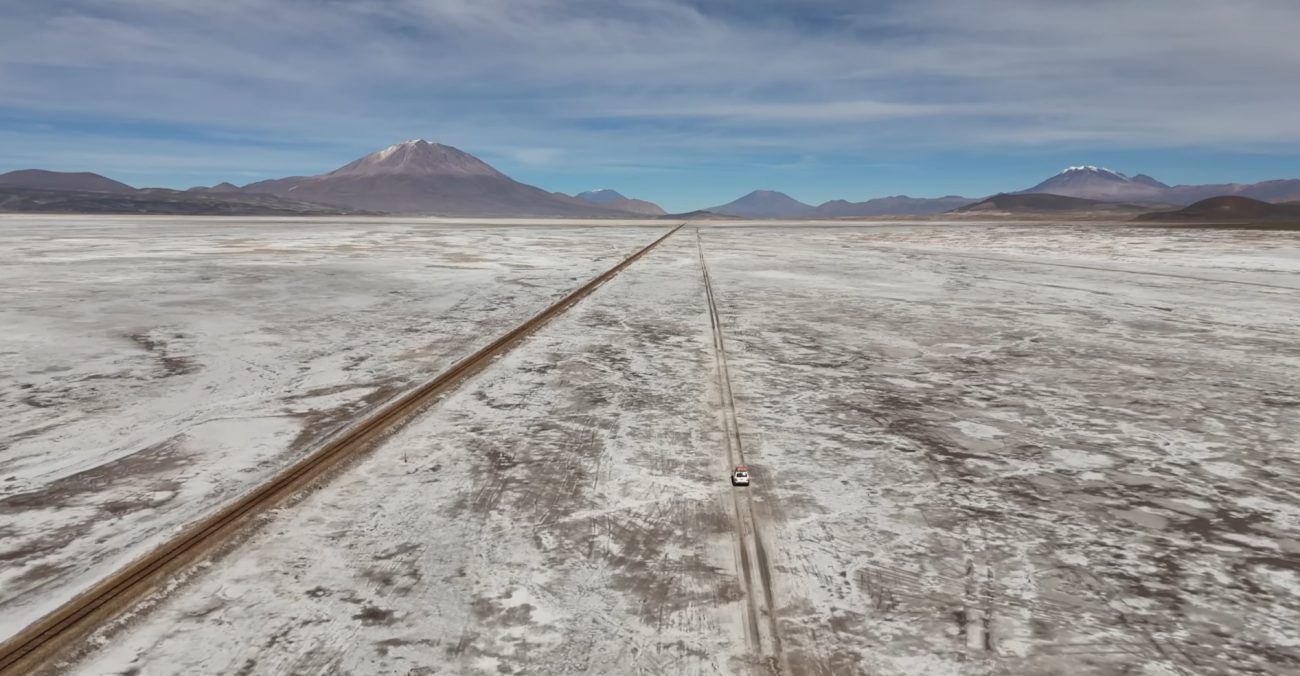
Salt destroys cars. It eats metal for breakfast. A Land Cruiser might look shiny on the outside but be rusting apart underneath if it isn’t washed daily. Breakdowns are common in the desert. There is no cell signal. The nearest mechanic is 200km away.
Why Private Transfers are Safer:
- Vehicle Rotation: Premium operators rotate their fleet. We use Toyota Land Cruisers (the king of the Altiplano) that are strictly maintained. For our Luxury Tours, we make sure the cars are newer models with working heat and sealed windows. Dust is the enemy.
- Communication: In the desert, your iPhone is a paperweight. Professional drivers carry satellite phones or long-range radios to talk to base camp if things go sideways.
The Driver Factor
In a shared “collectivo” tour, the driver is often the mechanic, the cook, and the guide. The guy is overworked and underpaid. That leads to fatigue, and fatigue on these roads is dangerous.
In a private tour, the roles are split (or the driver is paid enough to just focus on driving safely). We have strict sobriety rules. Plus, if you’re traveling with your family, having a driver who respects speed limits instead of racing to get home for dinner is priceless.
Crime and Personal Security
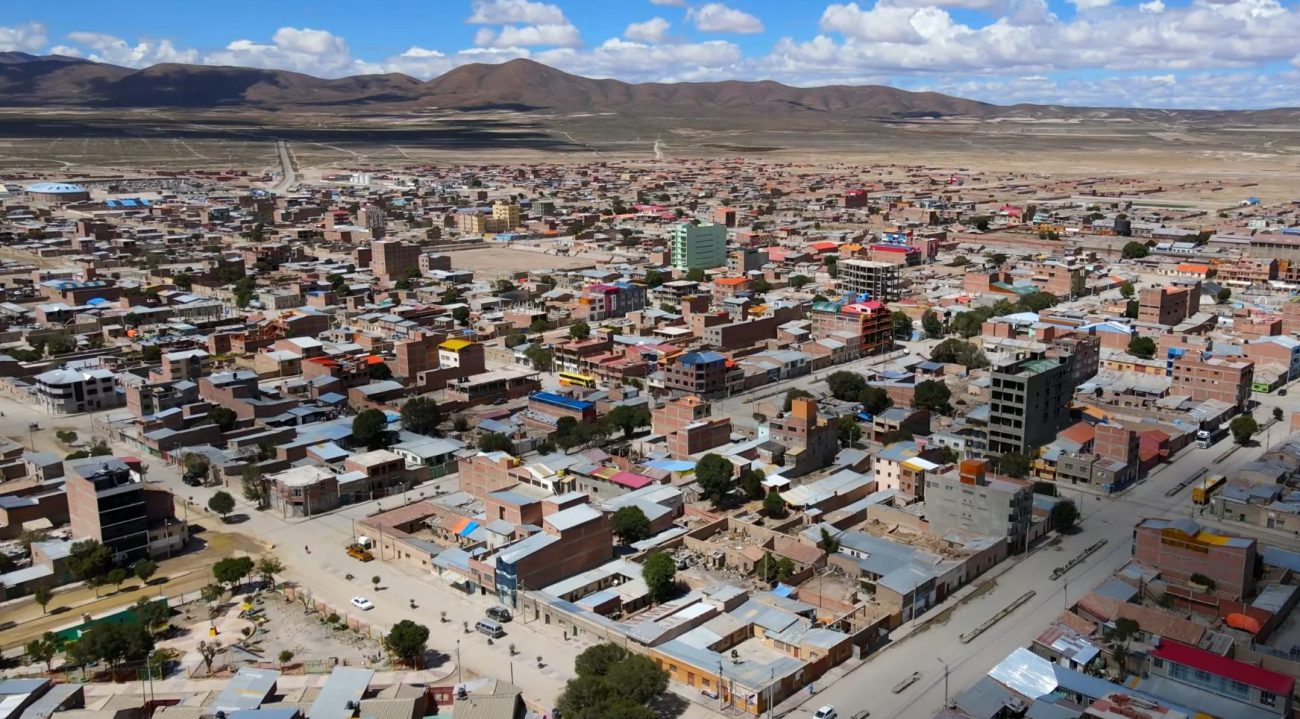
Contrary to what your mom might think, Uyuni isn’t a crime hotspot. It’s a sleepy, dusty logistical hub. But opportunistic theft? That happens.
The Bus Terminal Risk
The sketchiest place in Uyuni is the bus terminal between 4:00 AM and 6:00 AM. That’s when the night buses from La Paz dump everyone out. Tired, confused tourists standing in the dark are easy targets for bag slashers.
Safety Tip: Don’t walk from the bus terminal to your hostel in the dark with all your gear. Take a marked taxi. Even better, arrange your logistics so you aren’t standing there at all. Our private transfers are door-to-door, so you skip the dark terminal entirely.
Solo Female Travelers
Uyuni is generally safe for women traveling alone, but the “shared tour” dynamic is a lottery. You might get lucky, or you might be stuck in a car for three days with five guys you don’t vibe with. For safety and sanity, a lot of solo travelers just book a private tour or go with a reputable company that vets passengers, rather than a street agency that throws anyone into any seat.
Hygiene: Food and Water
Getting sick from food (Gastroenteritis) is unfortunately pretty common in Bolivia. But it’s preventable if you have discipline.
The Water Rule
Never drink tap water in Uyuni. Don’t even brush your teeth with it. Use bottled water. Always. On our tours, we provide gallons of the stuff so you don’t have to ration it.
Food Safety on Tours
On budget tours, the driver is often cooking pasta in the back of the jeep or in a refuge kitchen that hasn’t seen soap in a while. Hygiene is… variable.
On our private trips, we have control. We use designated restaurants or lodges with actual kitchens. If you have dietary restrictions—Vegan, Gluten-Free, Allergies—a private tour is the only way to be safe. We can brief the kitchen. On a shared tour, you eat the chicken and rice or you don’t eat.
The Elements: Sun and Cold
Finally, respect the environment. It will hurt you if you don’t.
- The Sun: The UV index here is off the charts because of the altitude and the reflection. You can get third-degree burns in 20 minutes. You need high-factor sunscreen, a hat, and polarized sunglasses to stop snow blindness.
- The Cold: As we mention in our Packing List Guide, it hits -20°C in winter. Hypothermia is a risk if the car breaks down and you’re wearing a t-shirt. Always keep a jacket in the car, even if it feels hot.
Conclusion: Safety is an Investment
Is Uyuni safe? Yeah, if you respect the altitude and pick your operator carefully. The risks are manageable. But by saving $50 on a budget tour, you might be trading away the oxygen tank, the satellite phone, and the safe food.
When you’re 200 kilometers from a hospital, standing in the middle of a salt desert at 4,000 meters, “peace of mind” is the most valuable thing you can buy.


