
The Ultimate Guide to 3-Day Private Tours in Uyuni (Classic Loop)
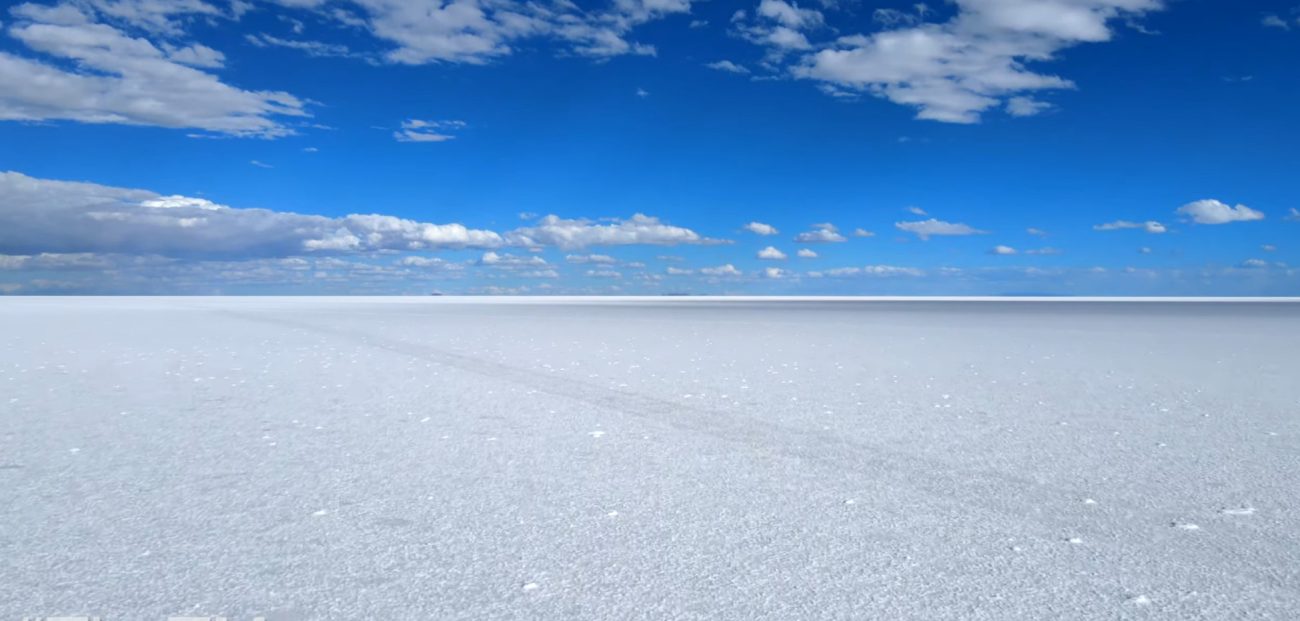
You didn’t fly all the way to Bolivia just to look at some salt. Well, maybe you did, but stopping there is a massive unforced error.
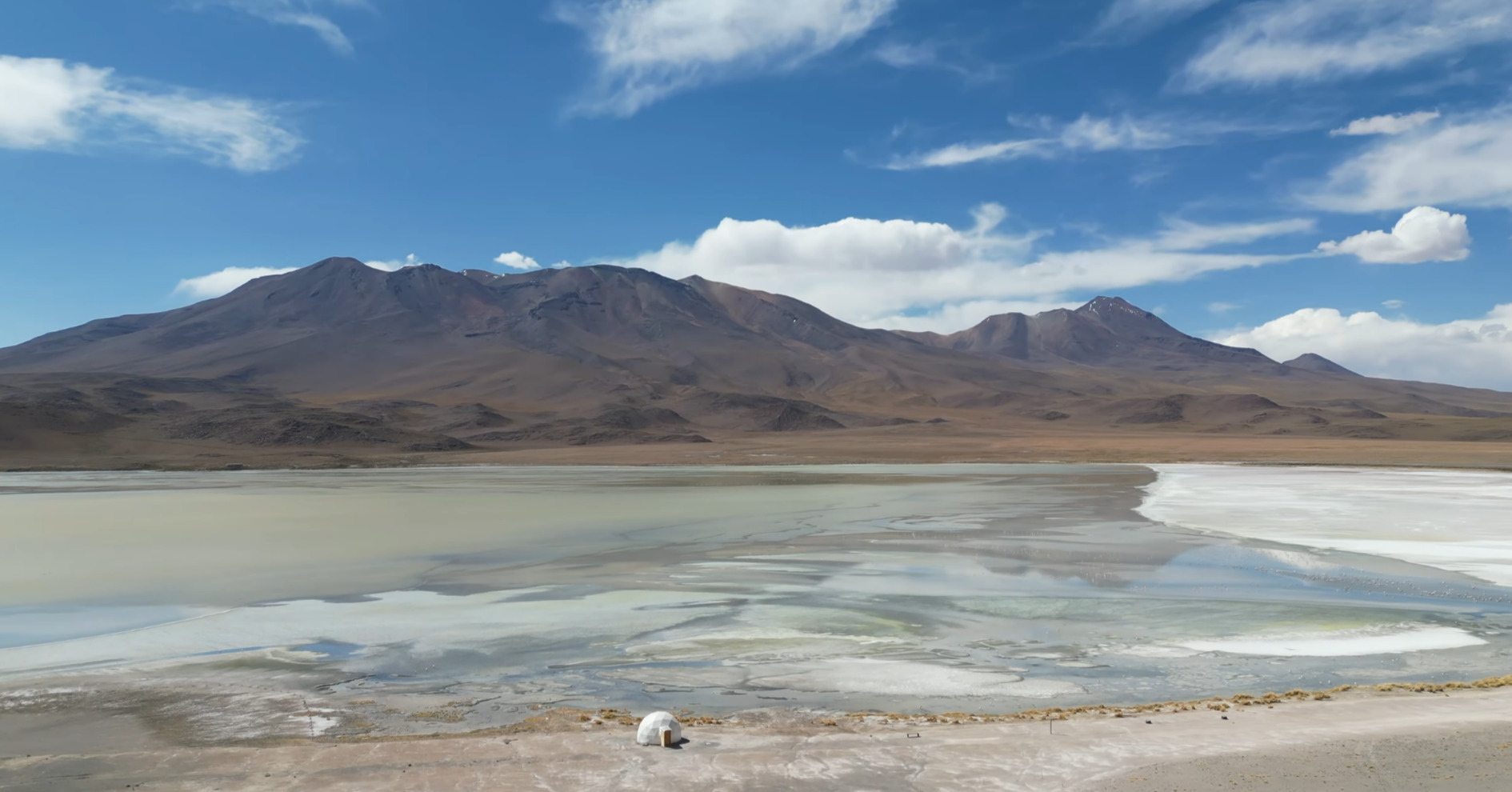
The Salt Flat is just the lobby. The front door. The real, mind-bending stuff is further south, deep in the Eduardo Avaroa Andean Fauna National Reserve. That’s where things get weird. You’ve got the blood-red Laguna Colorada, geysers powered by the earth’s fury shooting steam at 5,000 meters, and the Dalí Desert, which looks exactly like the paintings. To actually see this—the full circuit—and get back to civilization alive, you need the Classic 3-Day Loop.
This is the big one. The most popular tour in the country. It’s also the most inconsistent thing you’ll ever book. On a budget tour, this loop is basically an endurance test—three days of eating dust, knees crushed against the seat in front of you, and freezing to death in dorm rooms. Go private, and it transforms into a luxury expedition.
But here’s the thing nobody tells you: not all Private Tours are the same. Looking at the logistics for 2026, there is a massive split between the “Premium Tayka Route” (which swings North to the Volcano) and the “Standard Private Route” (which sticks to the crowded path). This guide breaks it down so you aren’t guessing where your money is going.
The Fork in the Road: Which Private Tour?
Looking at what the operators are actually running right now, you’ve got two distinct buckets for the 3-day loop:
- Option A: The Premium “Tayka” Expedition (Honestly, do this one).Route: Hits the Northern side (Tunupa Volcano, Coquesa Mummies) + the Southern Circuit.Accommodation: Uses the Tayka Hotel Network. This is critical. Private heating. Private bathrooms. In the middle of nowhere.Why choose this: If you hate being cold and want to see about 30% more stuff than the mass market groups.
- Option B: The Standard Private Loop.
Route: Classic Southern Circuit only. No Tunupa.
Accommodation: Standard Salt Hostels + Private Rooms in Refugios (like Lodge Polques).
Why choose this: If you want the privacy of your own jeep but want to save $200-$300 by skipping the fancy hotels.
The “Tayka” Factor: Why It Justifies the Price Tag
Before we even look at the maps, we need to have a serious talk about where you’re going to sleep. This is the single biggest driver of the price gap between Option A and Option B.
The Bolivian Altiplano isn’t just “chilly.” It is aggressively hostile. At night, temps drop to -15°C or -20°C. In the budget hostels (Refugios) used by 90% of tours, central heating doesn’t exist. You sleep in concrete iceboxes under a mountain of heavy blankets, hoping the water in the pipes hasn’t frozen so you can flush the toilet. Often, it has.
The Tayka Solution
The “Premium” itineraries are built around two specific properties: Tayka de Sal (Day 1) and Tayka del Desierto (Day 2).
- Tayka del Desierto is the game-changer. It’s sitting at 4,600 meters in the Siloli Desert, and it is the only hotel for hundreds of miles with solar-powered heating, hot water, and en-suite bathrooms. Staying here means you wake up warm and clean. Staying anywhere else in this sector usually means you wake up shivering and miserable.
- Tayka de Sal is over in Tahua, right at the foot of the Tunupa Volcano. This location forces the tour to explore the northern edge of the salt flat, which is empty compared to the chaos at the Colchani entrance.
The Verdict: If you can stretch the budget, grab the itinerary with the Tayka hotels. In this environment, heating isn’t a luxury. It’s a necessity.
Detailed Comparison of the Routes
A lot of travelers assume “3 Days” means everyone drives the same road. Wrong. The Premium Private tour actually covers a huge chunk of geography that the others miss.
Route A: The Premium Northern & Southern Circuit
(Based on Itineraries 1 & 2 provided)
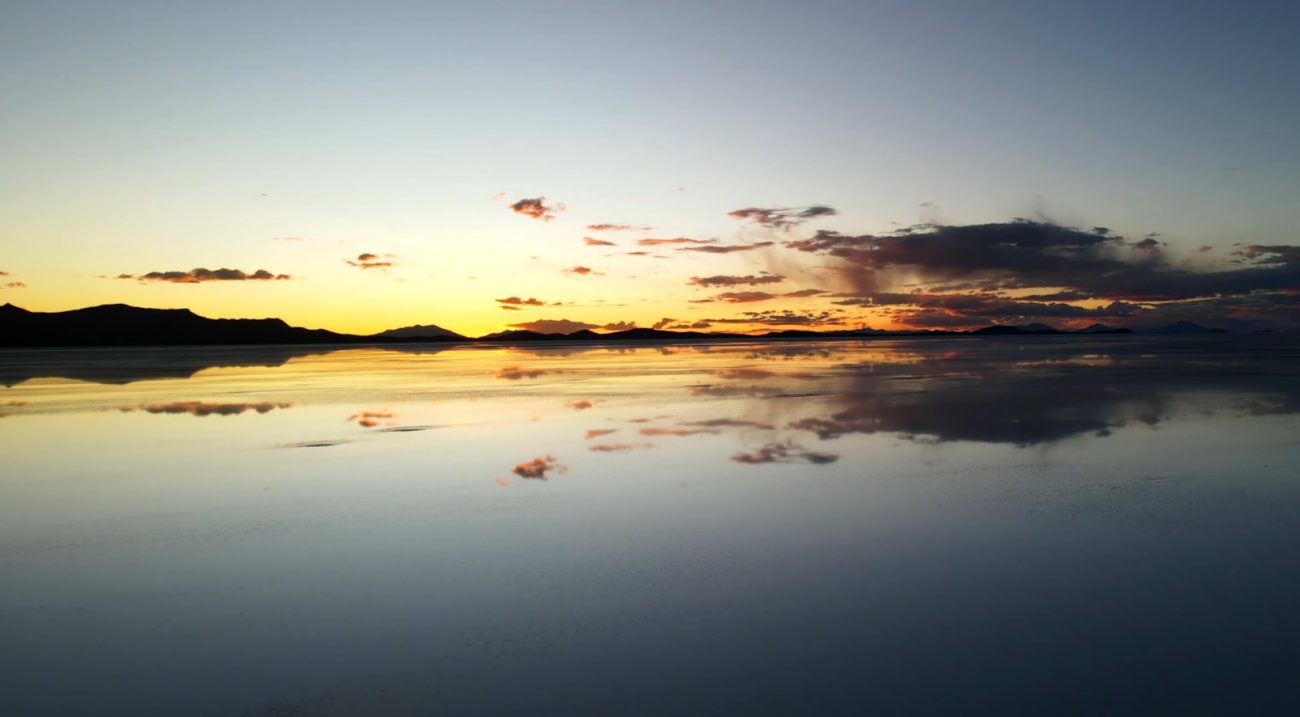
This route is a beast. Instead of rushing South immediately like everyone else, it burns Day 1 and part of Day 2 exploring the Northern shore of the Salar.
- Exclusive Stops: You check out the Coquesa Mummies (ancient burials sitting in a cave) and the Pucara of Ayque ruins.
- Tunupa Volcano: You actually drive up the volcano for a panoramic view that the standard tours don’t even get close to.
- Galaxy Caves (Las Galaxias): On Day 2, you go into these underwater rock formations that look like coral reefs frozen in time (from back when the salt flat was an ocean).
- San Pedro de Quemes: A historic town that got torched during the War of the Pacific. Hardly any tourists go here.
Route B: The Standard Southern Loop
(Based on Itinerary 3 provided)
This follows the traditional “Gringo Trail.” It’s beautiful, sure, but it’s busy.
- The Focus: You spend more time on the central Salt Flat (Incahuasi Island) and then gun it straight South.
- The Crowd Factor: You are going to be at the same stops as the group tours (Laguna Colorada, Geysers) at roughly the same times. It’s harder to get those solo photos.
- Accommodation: You stay in “Lodge Polques” or something similar. These are decent private accommodations—way better than a dorm—but they lack the heavy-duty infrastructure and insulation of the Tayka network. It might get chilly.
Day 1: The White Desert & The Northern Volcano
Day one is weird. It sets the whole vibe for the expedition, but it starts out confusing because everyone—regardless of how much they paid—kicks off in the same place. The real split between the “Premium” crowd and the “Standard” crowd doesn’t happen until after lunch.
The Morning: Common Ground
09:30 AM – 10:00 AM: The Train Cemetery
Every single tour in Uyuni hits this spot first. It’s unavoidable. It’s iconic. Located just outside the city limits, this “Graveyard of Trains” is a collection of 19th-century British steam locomotives that were hauled here to move silver and minerals. When the mining industry crashed in the 40s, they were just left there to rust into skeletons against the flat desert horizon.
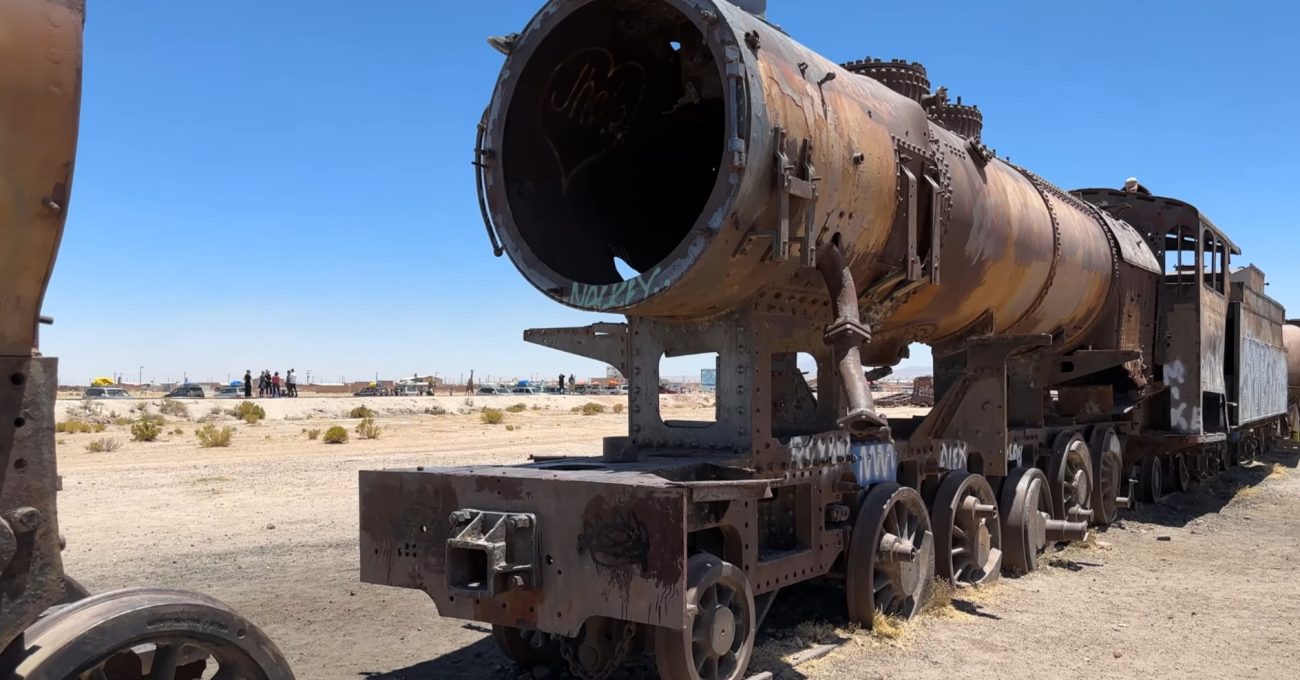 The Private Advantage: The standard group tours descend on this place like a swarm of locusts at 10:30 AM. It’s chaos. Your private guide’s main job here is timing—getting you there earlier or later so you can actually get a photo without 50 strangers climbing on the train behind you.
11:00 AM: Colchani & Salt Processing
The gateway to the Salar is Colchani. It’s a tiny, dusty village that survives entirely on two things: salt extraction and you. You’ll see the artisanal processing plants—basically locals drying and bagging salt by hand—and wander the market. Honestly, if you want alpaca wool or salt crafts, buy them here. The prices are way lower than at the hotel gift shops later on.
The Afternoon: Where the Routes Split
The Standard Route (Option B):
After grabbing lunch in Colchani, the standard tour shoots directly west. You hit the Salt Hotel Museum (the first one ever built, now just a lunch stop) and then gun it to Incahuasi Island. You spend the afternoon doing those forced perspective photos with a toy dinosaur before heading to a standard Salt Hostel near the edge of the Salar to crash.
The Premium Tayka Route (Option A – Recommended):
This is where you leave the herd. After lunch, instead of going west, you drive North toward the massive Tunupa Volcano (5,321m). The landscape shifts dramatically here; the blinding white salt smashes into the red and orange earth of the volcano.
Stop: The Coquesa Mummies & Pucara of Ayque
Right at the foot of the volcano, there’s a cave. Inside are the Coquesa Mummies—remarkably preserved pre-Incan remains of local families sitting there, looking out over the salt flat forever. It’s somber. It’s mystical. It adds a layer of history that the standard “party” tours completely miss. You might also hike to the Pucara of Ayque, some pre-Columbian ruins that offer what is arguably the best panoramic view in the entire region.
Accommodation Night 1: The Contrast
- Standard Option: You stay in a locally run “Salt Hostel” (usually in Colchani or San Juan). It’s made of salt blocks. You get a private room and bathroom, but the heating? It’s a gamble. Sometimes it’s a gas heater, sometimes it’s just extra blankets.
- Premium Option: You check into the Hotel Tayka de Sal in Tahua. By Bolivian standards, this is a 4-star joint. Solar heating, huge rooms, thick bedding, and a restaurant serving actual regional cuisine like llama steak or quinoa soup. Plus, since you’re in Tahua, you wake up on the quiet side of the Salar. Silence.
Day 2: The Crossing – From Salt to Stone
Most people agree this is the best day. Visually, at least. You leave the white void behind and enter the “Planet Mars” landscape of the Eduardo Avaroa Reserve.
The Morning: Caves and History (Premium Only)
If you sprung for the Premium Tayka Route, your morning looks different. You leave Tahua and cross the Salar from North to South. You stop at Chantani for a stone museum visit, but the real kicker is The Galaxy Caves (Las Galaxias) in Aguaquiza.
These aren’t your normal damp caves. They are underwater rock formations from when the Salar was a prehistoric sea called Lake Minchin. The algae fossils look like petrified coral reefs suspended in time. It’s a geological freak show. Standard tours simply do not have the gas budget or time to get out here. Afterward, you roll through San Pedro de Quemes, a historic town that the Chilean army burned to the ground during the War of the Pacific in 1879.
The Afternoon: The “Jewel” Lagoons
Both routes—Standard and Premium—converge here. You drop into a high-altitude valley strung with lagoons, each one more colorful than the last.
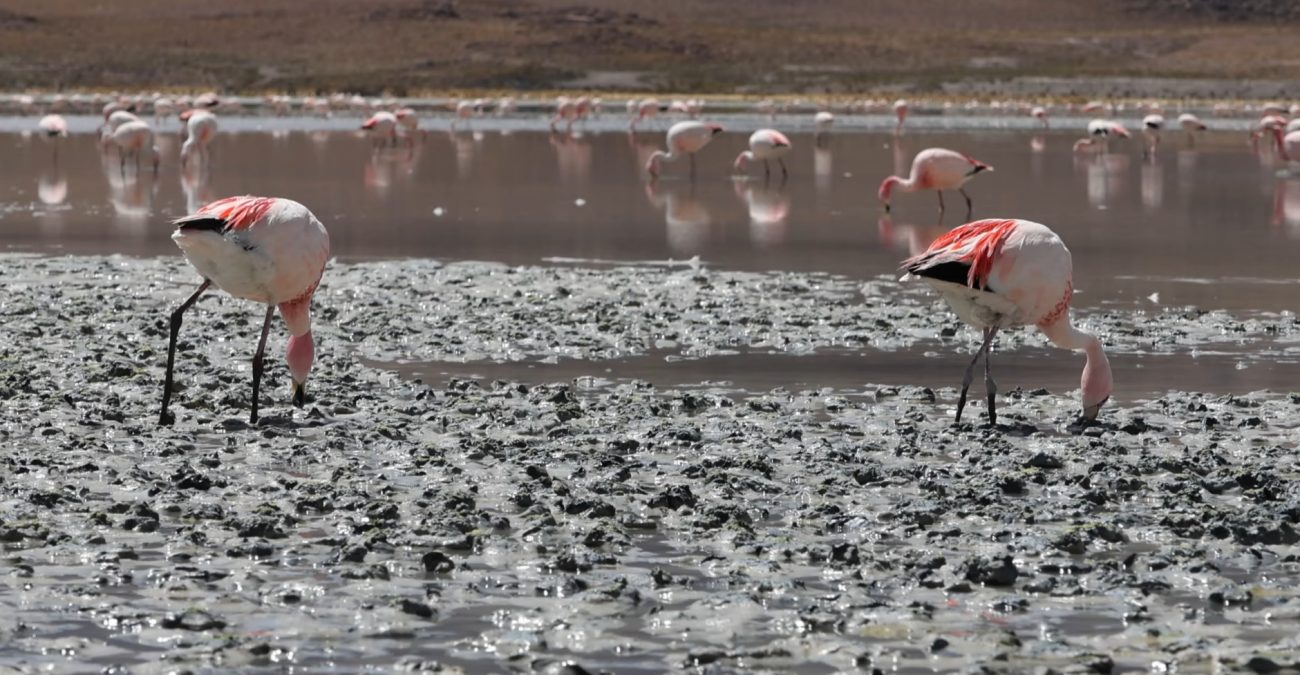
- Laguna Cañapa & Laguna Hedionda: This is flamingo central. The water is shallow and stuffed with sulfur, which attracts three specific types: the Andean, Chilean, and the rare James flamingo. Unlike a zoo, these birds are wild, but they’re used to people, so you can get within a few meters. The smell? It’s strong. “Hedionda” literally means “Stinking.” But the view is worth the sulfur nose.
- Laguna Honda & Chiarkota: Smaller, shallower lakes. They act like mirrors for the snow-capped peaks.
The Drive: Into the Siloli Desert
As the sun starts to drop, you climb. Vegetation disappears. You are entering the Siloli Desert, one of the driest, highest deserts on Earth. The wind here is an artist, sculpting volcanic rock into bizarre shapes. The most famous one is the Arbol de Piedra (Stone Tree), a massive boulder balanced precariously on a thin stem.
Accommodation Night 2: The Critical Decision
This is the moment where you either high-five yourself for booking Premium or regret saving the money. You are now at 4,500+ meters. It is freezing. It is windy. It is desolate.
Option B (Standard Private): Lodge Polques / Huayllajara
On the standard private tour, you’ll likely crash at a “Lodge” near Laguna Colorada (like Lodge Polques).
The Reality: You get a private room and bathroom. But let’s be honest—these are concrete bunkers. Insulation is poor. Hot water usually works, but pipes freeze. You are going to rely on a mountain of heavy alpaca blankets and maybe a portable gas heater your driver brought. It’s fine for adventure, but don’t call it luxury.
Option A (Premium Tayka): Hotel Tayka del Desierto
On the Premium tour, you pull up to the Hotel Tayka del Desierto in Ojo de Perdiz.
The Reality: This place is an engineering marvel. It’s built to fight the climate. Sophisticated solar energy powers floor heating or radiators. You get hot water. The dining room has massive glass walls looking out over the desert sunset, so you can watch the view without suffering the -15°C wind chill.
Heads up: It’s still remote. They often cut the electricity after 10:00 PM to save the solar batteries, but the room stays warm.
Day 3: Geysers, Hot Springs, and The Long Road Home
Day three starts in the dark. It doesn’t matter which tour you picked; the wake-up call is 5:00 AM. You have to get to the geysers at first light because the temperature difference makes the steam pillars look insane.
05:30 AM: Sol de Mañana Geysers
At 4,900 meters (that’s 16,000 ft), this is the ceiling of the tour. You walk through a field of bubbling mud pots and fumaroles blasting steam 50 meters into the air. The ground is boiling grey and red mud. There are no safety rails. No fences. Just raw, angry nature.
07:00 AM: Polques Hot Springs
After freezing your face off at the geysers, you drop down to the Polques Hot Springs. The water is naturally 30°C-35°C. Stripping down to a swimsuit in freezing air takes some serious mental prep, but once you’re in the water watching the sunrise? Pure magic.
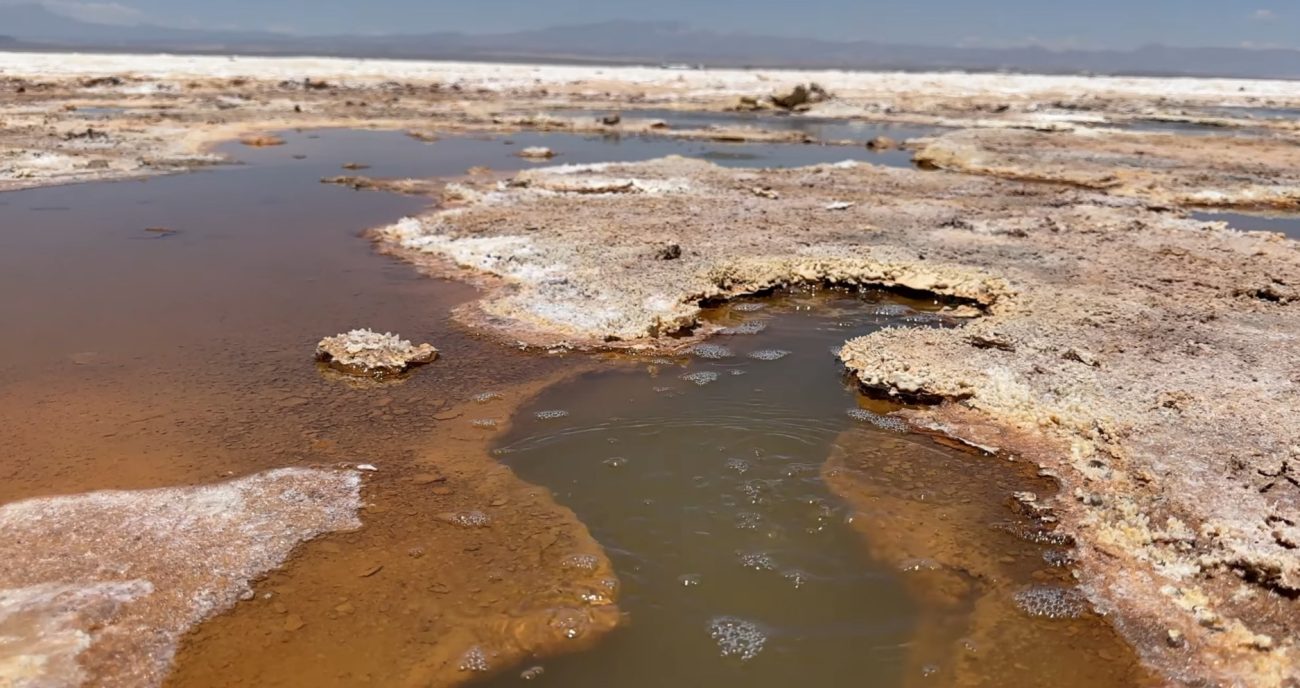
Private Tour Perk: Your guide will try to time this to dodge the peak rush of backpacker buses.
08:30 AM: The Dalí Desert & Laguna Verde
You push south through the Salvador Dalí Desert—named because the scattered rocks and weird lighting look exactly like his paintings. Finally, you hit the Chilean border to see Laguna Verde (Green Lagoon) at the foot of the perfect Licancabur Volcano cone. The wind whips up the water, churning arsenic and copper to turn the lake a brilliant emerald green.
Note: If there’s no wind, it’s not green. It’s just a lake. Nature doesn’t care about your brochure.
The Return Journey (The “Long Haul”)
This is the part a lot of itineraries gloss over. After Laguna Verde (approx 10:00 AM), you have a long, 6-7 hour haul back to Uyuni. You are essentially driving the entire reserve in reverse.
Stop: Valle de las Rocas & San Cristobal
To break up the monotony, private tours stop at the Valley of Rocks for a picnic lunch among massive volcanic boulders. Later, you hit the model town of San Cristobal. This place is wealthy (for Bolivia) because it was relocated and funded by the massive silver mine next door. You can check out the colonial church, which they moved stone-by-stone to the new spot.
Arrival in Uyuni
You usually roll back into Uyuni town between 5:00 PM and 6:00 PM.
Drop-off Options (Flexible with Private Tours):
Unlike group tours that dump everyone in the main square to fend for themselves, your private driver can take you exactly where you need to be:
1. Uyuni Airport (UYU): If you’re catching that evening flight to La Paz (usually leaves around 8:00 PM).
2. Your Hotel in Uyuni: If you’re staying over.
3. The Bus Station: If you’re taking the night bus to La Paz.
Customizing the End: You Don’t Have to Return to Uyuni
One of the biggest perks of booking a Private 3-Day Tour is that you aren’t stuck on the rails. The standard itinerary loops back to Uyuni like a boomerang, but you can actually break the circle to save yourself a day of travel. You just have to set it up before you pay.
Option 1: The San Pedro Escape (Chile)
If you are heading to Chile next, driving back to Uyuni is idiocy. It’s a waste of time. On Day 3, right after you see Laguna Verde (around 10:00 AM), your driver can just drop you at the Hito Cajón border.
How it works: You pre-arrange a transfer on the Chilean side. You hop out of the Bolivian jeep, walk across the line, jump into a Chilean van, and you’re sipping coffee in San Pedro de Atacama by 1:00 PM. Saves you the 7-hour haul back to Uyuni.
Option 2: The Direct Shot to Potosí or Sucre
If you’re continuing deeper into Bolivia to hit the colonial cities, don’t go back to Uyuni just to wait around for a night bus. You can arrange for your private driver (or a relay driver) to shoot you straight to Potosí (3.5 hours) or Sucre (6 hours) as soon as the tour finishes. It costs more, yeah, but it beats freezing in a bus terminal.
The “Hidden” Costs: Bring Cash or Be Stuck
Even if you booked the “All-Inclusive Luxury” package, there are fees that are never, ever included. Why? because they go to local communities who don’t have credit card terminals and don’t care about your booking confirmation.
You need roughly 300 Bolivianos (BOB) per person. Small bills.
- Eduardo Avaroa National Reserve Entry: 150 BOB (about $22 USD). This is the big one. No ticket, no lagoons.
- Incahuasi Island Fee: 30 BOB.
- Polques Hot Springs: 6 BOB.
- Bathrooms: 5-10 BOB. They are scattered along the route. You pay to pee. That’s just how it is.
Warning: The ATMs in Uyuni are notoriously trash. They run out of money constantly, especially on weekends. Do yourself a favor and withdraw your stack in La Paz, or bring crisp USD to exchange before the jeep leaves town.
Packing for the Private Loop
Staying in a Tayka Hotel is nice, but don’t get it twisted—you are still in a high-altitude desert. It’s rough out there. Pack this stuff:
- Headlamp / Flashlight: Non-negotiable. Even the fancy hotels often kill the generators or solar power late at night. If you need the bathroom at 3:00 AM, it is pitch black. Pitch. Black.
- Power Bank: Solar charging is slow. If it’s cloudy, it doesn’t work. Keep your phone alive with your own brick.
- Swimsuit & Towel: For the Polques Hot Springs. It feels insane to pack a bikini for a trip where you need a parka, but you will stare at that hot water with deep regret if you don’t have one.
- Sunglasses & Sunscreen: The UV radiation on the white salt flat is nuclear. Snow blindness is a real thing and it hurts like hell.
- Water: Your guide gives you water with lunch, sure. But buy a 5-liter jug for the car. The altitude dehydrates you faster than you can drink.
FAQ: Stuff People Worry About
Can I do this if I don’t eat meat?
Yeah, totally. This is the main reason people book Private. On the group tours, you eat what you get—usually pasta and some sad meat. On a private tour, the cook can actually make you quinoa bowls, omelets, veggies, whatever. Just tell them when you book, not when you’re sitting at the table.
Is the Premium “Tayka” route harder?
Maybe a little? You’re squeezing more into the days because you have to drive up to Tunupa Volcano and hit those extra caves. But honestly, because you sleep in a warm hotel at night, you wake up rested. On the standard route, the cold wears you down.
Do I need the Yellow Fever Vaccine?
For the Salt Flats? No. Mosquitoes can’t survive at 4,000 meters. They freeze. If you’re flying to the Amazon (Rurrenabaque) afterward, then yes, get stuck.
So, Which One? Premium or Standard?
Look, the 3-Day Salar de Uyuni Loop is likely going to be the highlight of your entire South America trip. It’s alien. It’s beautiful.
The choice between Standard Private and Premium Tayka really just comes down to one question: How much do you hate being cold?
- If you are young, tough, and counting your pennies, the Standard Private Loop (Option B) is fine. You get the privacy, you get the jeep, and you sleep in a salt block that might be a bit chilly. You’ll survive.
- If you are a photographer, a couple, or just someone who thinks vacations should be comfortable, the Premium Tayka Route (Option A) is the only play. The Tunupa Volcano is cool, but the guaranteed heating in the Tayka del Desierto hotel? That is worth every single extra dollar.
Start Your Adventure
Check Availability: Premium Tayka Expedition (North + South)
(Recommended: Includes Tunupa Volcano & Heated Hotels)
Check Availability: Standard 3-Day Private Loop
(Best Value: Classic Route with Private Jeep)


