
Private Tours from San Pedro de Atacama to Uyuni: The Complete Cross-Border Guide
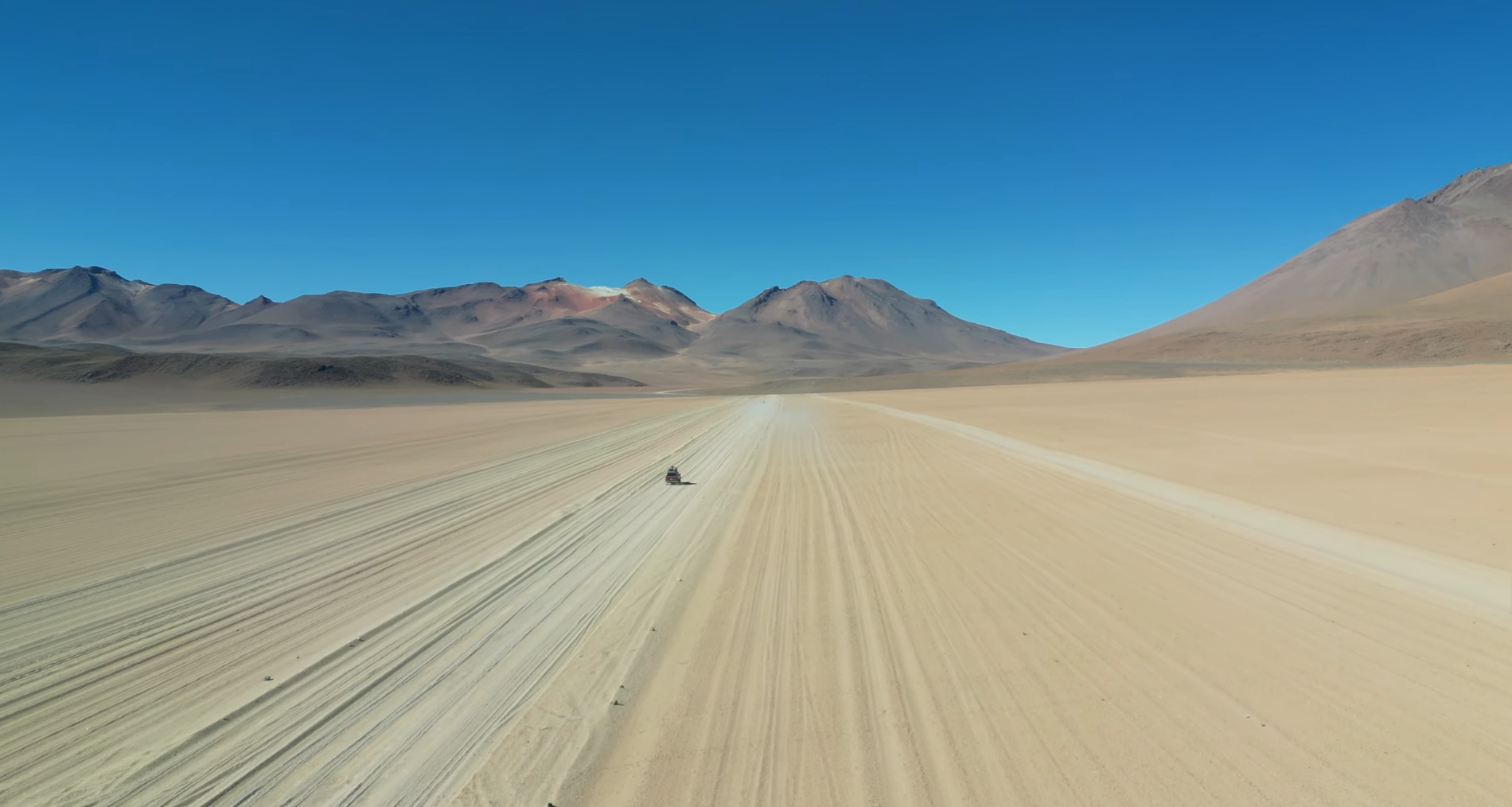
Connecting the Atacama Desert in Chile with the Salar de Uyuni in Bolivia is, geographically speaking, the absolute peak of South American overland travel. You are bridging the driest desert in the world with the largest salt flat on Earth, and you have to smash through the Andes to do it.
But let’s be real for a second: from a logistics perspective, this trip is a beast. You aren’t just going for a Sunday drive. You are crossing a high-altitude international border in a remote, often hostile environment.
Most travelers look at Instagram photos and underestimate the grind. You ascend from 2,400 meters to a lung-crushing 4,400 meters in less than an hour. You face winds that cut through bone, roads that aren’t really roads, and the special kind of chaos that is Latin American bureaucracy. If you try to hack this on a budget “shared tour,” you are essentially signing a waiver for three days of misery—crammed into a Land Cruiser with strangers, knees against your chin, with your luggage strapped to the roof eating dust.
If you have the cash, booking a Private Tour isn’t just about being fancy—it’s about control. It’s about safety. It’s about minimizing the suffering. This guide breaks down exactly how the private transfer works, why the “Reverse Route” (Chile to Bolivia) is the strategic play, and what you actually get for your money.
Decision Matrix: One-Way vs. Round-Trip
Before you even look at an itinerary, you need to figure out where you’re ending up. There are really only two moves here:
- Option A: The 3-Day One-Way (San Pedro to Uyuni).
Think of this as a transfer disguised as an adventure. You start in Chile, you finish in the gritty town of Uyuni (or the airport).Who is this for? Travelers heading north to La Paz, Sucre, or Potosi. This is the efficient play. - Option B: The 4-Day Round-Trip (The Loop).
You do the full tour, reach the salt, and then haul yourself back to San Pedro de Atacama on Day 4.Who is this for? People with a return flight out of Calama (CJC) or Santiago. fair warning: Day 4 is a burner. Pure travel, 6-7 hours of driving, zero sightseeing.
The Border Crossing: A Step-by-Step Reality Check
The border between Chile and Bolivia at Hito Cajón isn’t a normal border crossing. It’s a lonely shack on top of a mountain. Understanding the mechanics here is critical because it confuses the hell out of people.
Step 1: The Chilean Exit (7:00 AM – 8:00 AM)
Your private transfer grabs you from your hotel in San Pedro. You drive about 45 minutes up a paved road to the Chilean immigration post.
Important: You need your passport and that little white slip—the “PDI Paper”—you got when you entered Chile. If you lost that paper, you aren’t leaving. Expect fines and shouting.
Step 2: The “No Man’s Land” Switch
Here is the hard truth: Chilean vans usually aren’t allowed to run tours inside Bolivia, and Bolivian jeeps can’t pick you up at your hotel in San Pedro. You have to swap vehicles at the line.
After stamping out of Chile, you roll a few hundred meters into “No Man’s Land.” Your Bolivian driver will be waiting there with a beast of a vehicle—usually a Toyota Land Cruiser (4WD).
The Weather Shock: You are leaving the toasted warmth of San Pedro and stepping out at 4,400 meters. Even in summer, the wind up here is violent. Have your heavy coat in your hand, not buried at the bottom of your suitcase.
Step 3: Bolivian Entry & The “Fee”
You walk into the Bolivian migration shack. It’s basic. There is no heating. It smells like dust.
The Cost: You have to pay a border crossing fee (usually 15-20 Bolivianos). Is it an official visa fee? Technically, usually not. It’s a “municipality tax.” Just pay it.
Currency Warning: They don’t take Visa. They don’t want your Dollars. They don’t want Chilean Pesos. You must have Bolivianos in cash before you leave San Pedro. If you don’t, you’re stranded.
Why Go Private? The “Group Tour” Nightmare vs. The Private Experience
Why drop $1000+ for a private rig when a group tour costs $250? Because the gap in experience on this specific route is massive. It’s the difference between a vacation and an endurance test.
1. The Luggage Situation
- Group Tour: The jeep carries 6 passengers + 1 driver + food + fuel. There is literally zero room for bags inside. Your luggage gets strapped to the roof. It gets covered in thick Altiplano dust, and if it rains or snows (which it does), your clothes get soaked.
- Private Tour: It’s just you. Your luggage goes inside the car, sealed and clean. No dust on your toothbrush.
2. The Migration Queue
- Group Tour: You wait for your 5 randomly assigned companions to fill out forms. If one guy from the US forgot his visa paperwork, the whole group waits in the freezing cold for an hour.
- Private Tour: Your guide pre-checks your docs. You stamp in, jump in the jeep, and bail. You beat the convoy of 40 other jeeps, meaning you arrive at the Green Lagoon when it’s actually quiet.
3. Altitude Management
- The Problem: The jump from San Pedro (2,400m) to the Border (4,400m) is brutal. It’s one of the fastest altitude gains in tourism. People vomit. Heads throb. It’s messy.
- The Private Advantage: If you feel like you’re dying, you tell the driver to stop. You have immediate access to the Oxygen Tank. In a group tour? The driver has a schedule to keep. He isn’t stopping because you feel queasy.
The Strategic Advantage: Why the “Reverse” Route is Better
Going from Chile to Bolivia (South to North) creates a way better narrative arc for your trip than the traditional North to South route.
1. The “Crescendo” Effect
If you start in Uyuni, you blow your mind on Day 1 with the Salt Flat. The next two days are just… rocks. And lagoons. It feels anti-climactic.
By starting in Chile, you build the hype.
Day 1: The colorful High Andean Lagoons (Green, White, Red).
Day 2: The surreal Siloli Desert and insane rock formations.
Day 3: The Grand Finale—Sunrise on the Salar de Uyuni.
2. Against the Flow
The vast majority of tours start in Uyuni. Every morning, a swarm of 50 Land Cruisers heads south. By starting in Chile and heading north, you are swimming upstream. You pass the big groups on the road rather than being stuck in the middle of a dust cloud. Better photos, more isolation.
The Itineraries: What You Will Actually See
Depending on where you need to end up, you’ve got two choices. Both run the exact same route for the first 3 days.
OPTION A: The 3-Day One-Way Transfer (San Pedro -> Uyuni)
Best For: Travelers continuing the trek to La Paz or Sucre.
Day 1: The High Altitude Assault
This is the most intense day. Period. After the border, you enter the Eduardo Avaroa National Reserve.
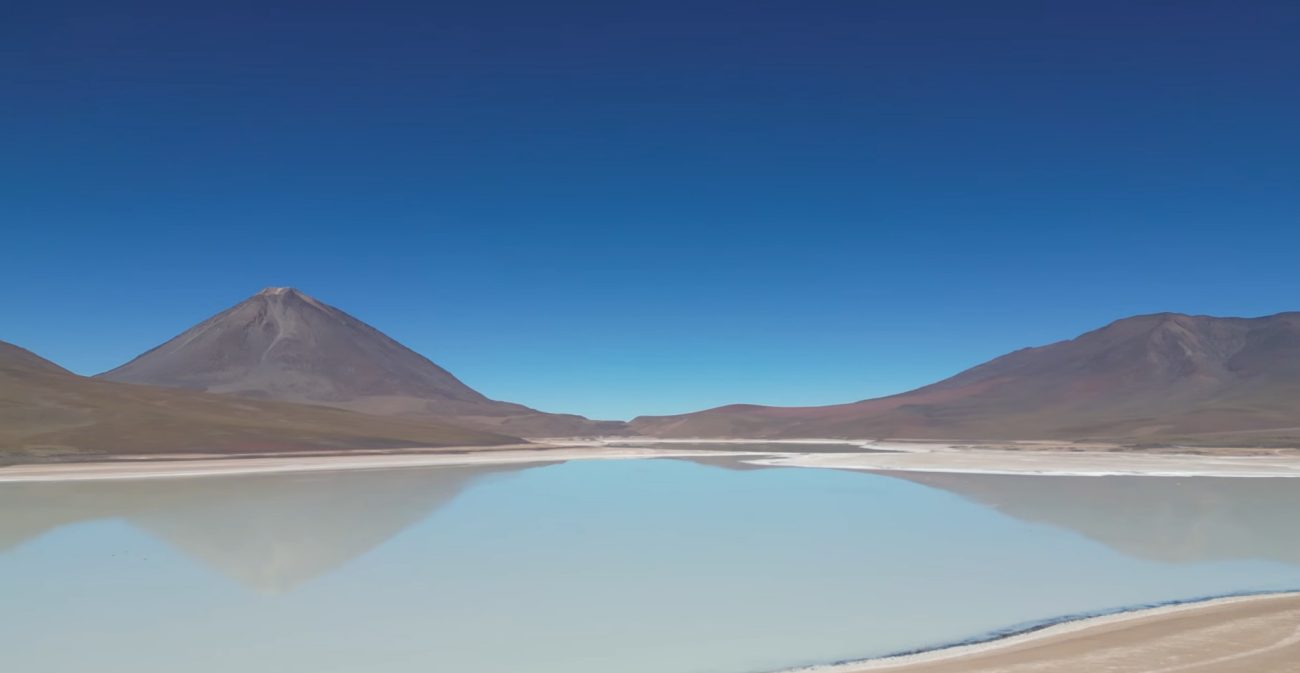
You hit the Laguna Verde (Green Lagoon) right under the Licancabur Volcano. You drive through the Salvador Dalí Desert—which actually looks like a painting. You stop at the Polques Hot Springs (bring a swimsuit; the water is 30°C, the air is freezing, it’s a weird sensation).
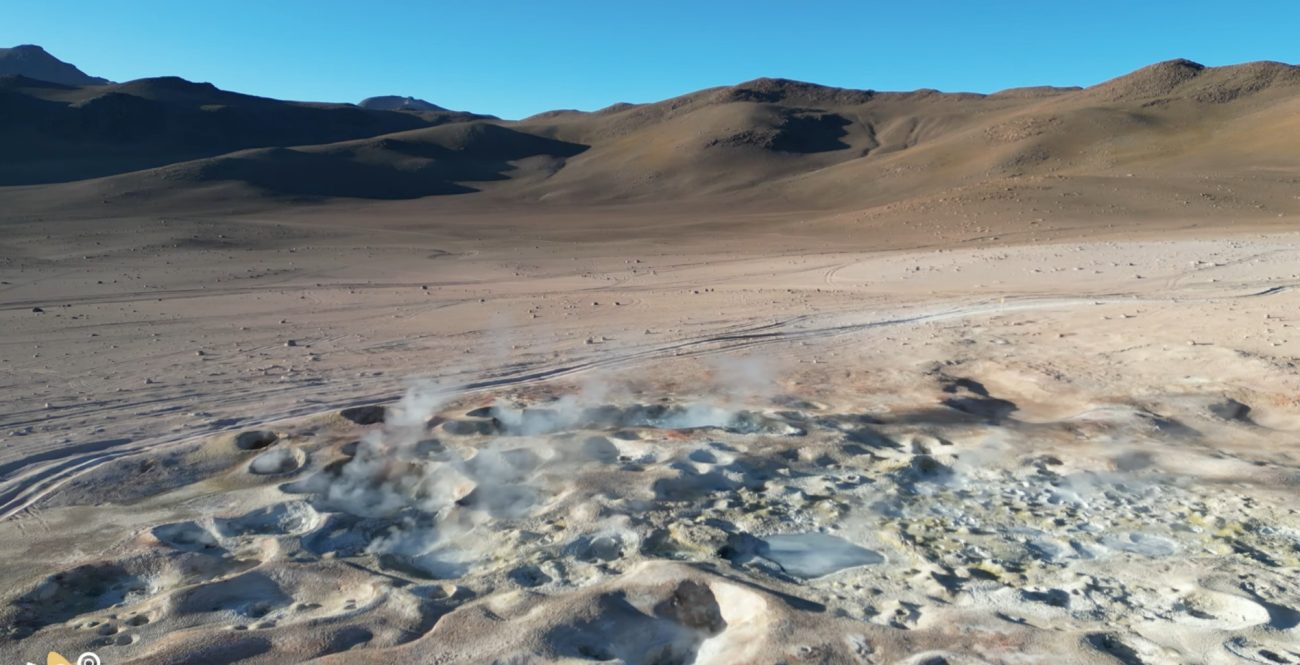
The high point—literally—is the Sol de Mañana Geysers at 4,900m. Boiling mud pools smelling of sulfur.
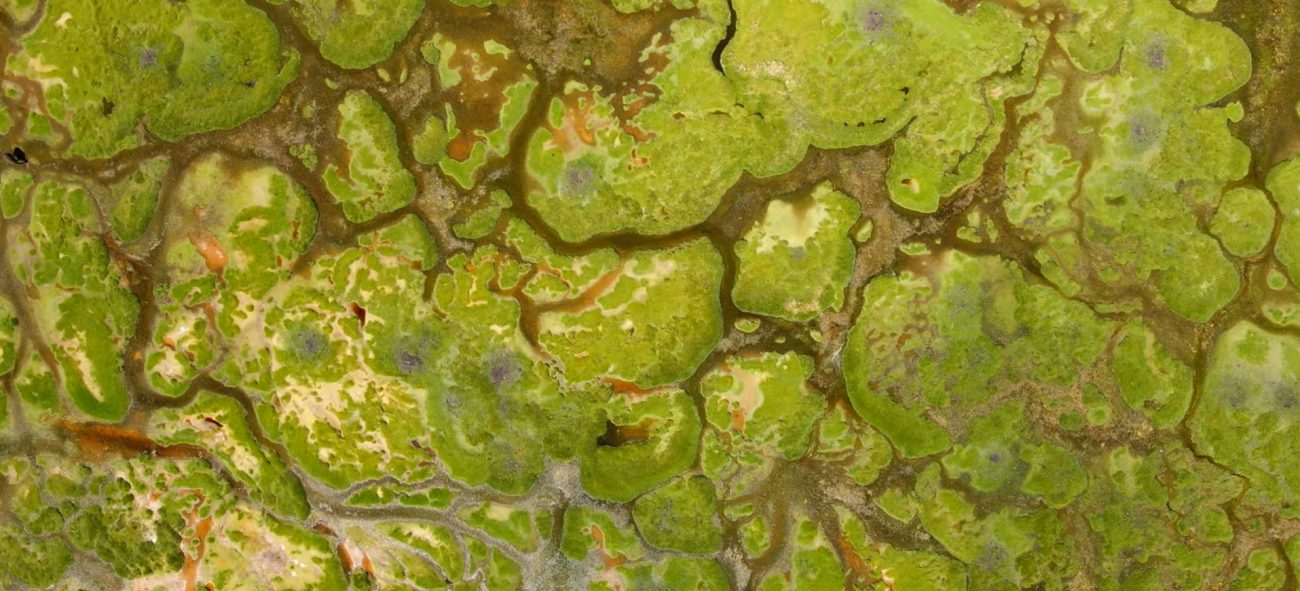
The day ends at Laguna Colorada (Red Lagoon). Nesting ground for 30,000 flamingos. The water is blood-red. It’s alien.
Sleeping Altitude: Approx 4,600m (This is very high. Hydration is non-negotiable).
Day 2: The Stone Desert to the Salt Edge
Head north into the Siloli Desert to see the “Stone Tree” (Arbol de Piedra). Descend a bit to hit the alpine lakes: Laguna Honda, Chiarkota, Hedionda.
Stop at the viewpoint for the active Ollagüe Volcano. Finally, cross the Chiguana Salt Flat to arrive at your hotel near the edge of the Salar (usually Colchani or San Juan).
Sleeping Altitude: Approx 3,600m (Much better sleep tonight).
Day 3: The Main Event
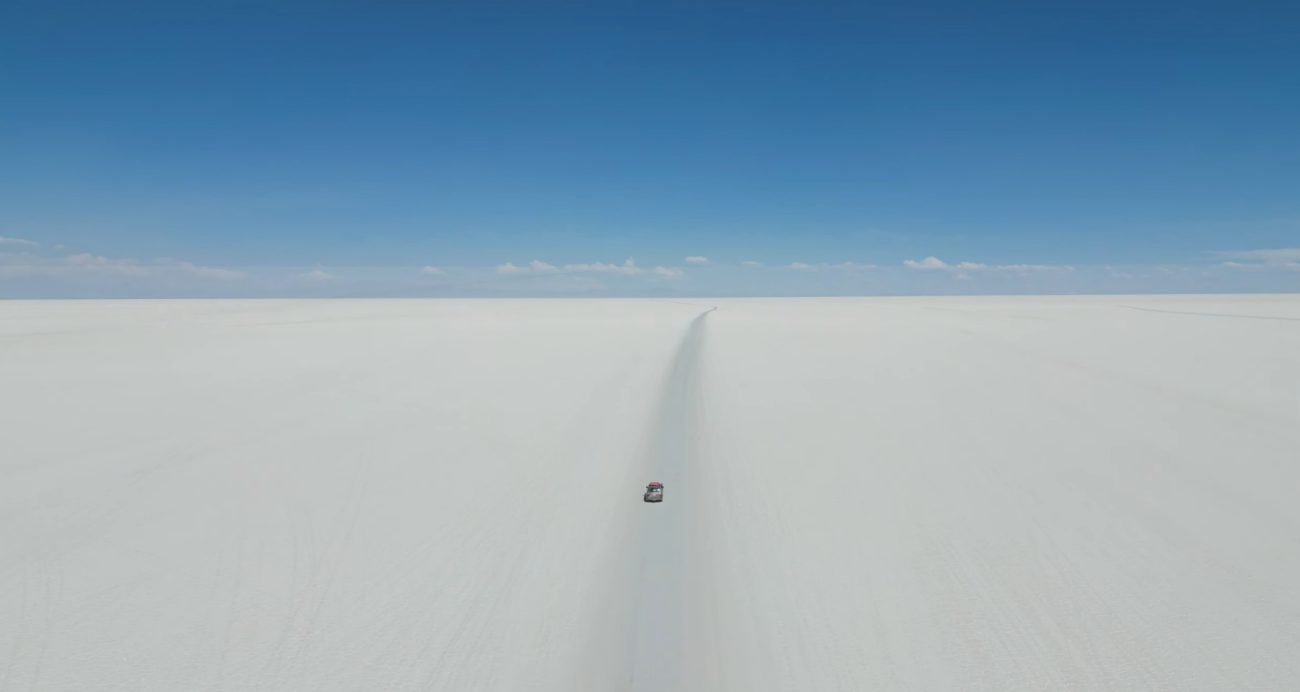
Wake up before dawn. Enter the Salar de Uyuni for sunrise. This is the money shot.
Visit Incahuasi Island (giant cacti), take the forced perspective photos, check the Train Cemetery.
The End: Driver drops you at Uyuni Airport (UYU) or your hotel in town around 1:00 PM – 2:00 PM.
Recommendation: If you are flying to La Paz, book a flight that departs after 8:00 PM. Give yourself a buffer. Flat tires happen.
OPTION B: The 4-Day Round-Trip (Back to Chile)
Best For: Those with return flights out of Chile.
Days 1-3: Same deal as Option A. But on Day 3, instead of finishing in Uyuni, you sleep in a town closer to the border (Villa Mar or Alota).
Day 4: The Long Haul
No sightseeing today. Just driving. Wake up at 5:00 AM, drive 4-5 hours back to Hito Cajón. Clear migration, swap back to the Chilean van. You roll into San Pedro de Atacama around 1:00 PM.
The Accommodation Reality: “Luxury” vs. “Shelter”
We need to have a serious talk about where you sleep on Day 1.
The Eduardo Avaroa Reserve is one of the most remote places on the planet. Infrastructure is… limited. There are no Hiltons here. You have two buckets:
1. The Tayka Hotels (The Only “Real” Hotel)
The Hotel Tayka del Desierto is the holy grail. It’s the only place constructed with actual insulation, private bathrooms, and solar heating.
The Problem: It has very few rooms. It sells out 3-6 months in advance.
The Solution: If you want this, you must book your Private Tour way in advance and scream “Tayka Option” at your operator.
2. Private Refugios (The Standard Private Option)
If Tayka is full (or you want to save a buck), you stay in a “Refugio.”
In a Group Tour: You sleep in a dorm with 6 strangers. No heat. Shared bathroom down the hall.
In a Private Tour: Your operator secures a Private Room with Private Bathroom in the best available Refugio (like Mallku Cueva).
The Reality: It will be clean. There will be thick blankets. But central heating? Probably not. The driver might bring a portable gas heater. The shower might be lukewarm. It’s not the Ritz, but it is private and it is safe.
Practical Survival Tips for the Crossing
- Cash is King: Bring at least 300 Bolivianos per person in small bills. You need this for the border fee (15-20 BOB), the National Park entrance (150 BOB), and toilet stops (5 BOB). There are NO ATMs until you reach Uyuni on Day 3. None.
- Water: Your tour usually provides water with meals, but buy a 2-liter bottle in San Pedro before you leave. Hydration is the only cure for altitude sickness besides going down.
- The “PDI” Paper: Do not lose that receipt Chilean immigration gave you. You cannot exit Chile without it.
- Warmth: On Day 1, keep your fleece, down jacket, gloves, and beanie in the car seat with you. Do not put them in the trunk. You will need them every single time you open the door.
Final Verdict
The journey from San Pedro de Atacama to Uyuni is visually stunning. It’s also physically punishing. Doing it in a shared group bus is basically a hazing ritual.
Booking a Private Tour turns this challenge into an actual expedition. You get a clean car, a flexible schedule, oxygen if you need it, and—crucially—a private room to hide in at night. If you can afford the upgrade, do it. Your body will thank you.
Start Your Expedition
Check Availability: 3-Day Private Transfer (San Pedro -> Uyuni)
Check Availability: 4-Day Round Trip (San Pedro -> San Pedro)


